The Kettle Is On: Inside the Warm Hubs Quietly Holding UK Streets Together This Winter

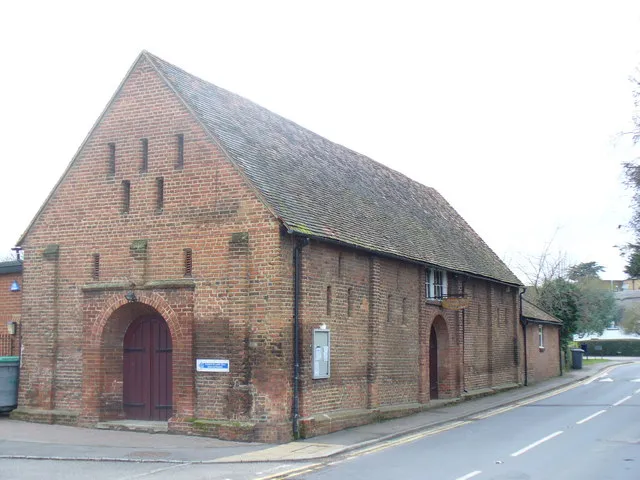
Photo: volunteers serving soup in UK church hall warm hub winter, via cruisingodyssey.com
On a damp Tuesday morning in November 2026, the smell hits before the sight: vegetable soup, slightly overdone toast, and the particular warmth of a church hall radiator that has been switched on since 7am. This is a warm hub — one of hundreds opening their doors across the UK as the clocks go back and the cold starts to bite. The kettle is on. The biscuits are out. Nobody is asking anyone to prove they need it.
The kettle as a public service
Warm hubs go by different names. Warm spaces, cosy corners, winter welcome sessions. The setting might be a parish hall with wonky tables, a library meeting room with a stack of jigsaws, or a community centre where the heating has been cranked up and the Wi-Fi password is on a laminated card by the door. The offer is simple: a warm room, a hot drink, and company if you want it.
What is striking, talking to volunteers, is how deliberately un dramatic it all is. There are no forms at the door. No means test. No one peering at your energy bill. Margaret, 68, has been helping at a church hall hub in the Midlands since the idea first took off during the energy crisis. She is clear about the job description.
'We are not saving the world,' she says. 'We are saving people from sitting at home with the heating off because they are worried about the bill. Sometimes that is all it is. A warm room and someone to say hello.'
The volunteers are a mixed bunch: retired teachers, shift workers with a day off, parents who drop in after the school run, teenagers earning Duke of Edinburgh hours and then staying because they like the soup. Someone makes a rota for the urn. Someone else brings a tin of biscuits every week. There is usually a box of spare hats and gloves by the door, and a pile of newspapers that nobody reads but everybody likes to see.
The quiet etiquette of walking in alone
For anyone who has never been to a warm hub, the biggest barrier is often not the front door. It is the idea of the front door. Will someone ask why you are there? Will you have to explain yourself? Will you be the only person on your own?
The short answer is: probably not. The longer answer is that warm hubs have developed their own quiet etiquette, and it is worth knowing before you go.
First, you do not need to book. Most hubs are drop-in, though a few ask for a quick call so they know how many cartons of soup to heat. Second, you can arrive alone. Plenty of people do. Third, you can leave after ten minutes if it is not for you. No one will be offended. Fourth, you do not have to talk. A newspaper and a mug of tea is a perfectly respectable way to spend an hour.
The unwritten rule is: do not ask why someone is there. People come for all sorts of reasons — a cold flat, a quiet house, a gap between appointments, a bad week, a broken boiler, or simply because the library is warmer than the bus shelter. The hub is not an interview. It is a room.
If you want to help, offer to wash up. If you want to be left alone, sit near the radiator. If you want company, sit near the kettle. That is roughly the whole system.
How to find a warm hub near you
Finding one is usually easier than people expect. Start with your local council website, which often lists warm spaces by postcode. Libraries and leisure centres frequently host sessions, as do churches, mosques, synagogues and community centres. Noticeboards still work: the one by the post office, the one in the Co-op, the one in the library foyer.
Local Facebook groups and street WhatsApp chats are also useful, though it is worth checking details before you set off. The Warm Welcome campaign and similar networks have online maps, and Citizens Advice branches often know what is running locally. If you are unsure, ring the venue and ask a simple question: is the kettle on today?
Some hubs are aimed at older residents, some at families, some at anyone at all. A few offer extras — a book swap, a jigsaw table, a visit from a health worker, a warm meal at lunchtime. Most are modest. All of them are run by people who have decided that a warm room is worth organising.
Starting one on your street
If there is nothing nearby, starting a warm hub is not as daunting as it sounds. The first step is usually a conversation with a venue: a church hall, a community centre, a scout hut, a library meeting room. Ask about heating, insurance, safeguarding and access. You do not need a grand plan. You need a room, a kettle, a few volunteers and a regular time.
Keep it simple. A Tuesday morning and a Thursday afternoon is easier to staff than every day. Put a sign on the door. Tell the local library and the parish newsletter. Ask neighbours to donate biscuits or milk. Make sure there is a rota so nobody burns out. And decide early how you will handle money, whether that is a donation tin or a small grant from a local charity or council scheme.
The volunteers I spoke to were unanimous on one point: do not wait for the perfect setup. The first week might be three people and a packet of custard creams. That is still a warm hub. The second week might be eight. By December, it might be the best bit of the week.
A small thing that matters
Back in the church hall, the soup is being ladled out and someone is laughing about a misheard word in the crossword. The radiator clanks. A man in a coat reads the paper. A woman knits. A toddler runs a toy car along the edge of a table. Nobody is making a speech about community. It is just happening.
As of 8 November 2026, the cold is not yet at its worst. The real test comes in January, when the bills land and the nights are long. But the kettles are already on. The doors are already open. If you need one, go. If you can help one, help. And if there is not one on your street, perhaps that is the sign to start one.