The Tuesday Knit Club That Turned Neighbours Into a Lifeline
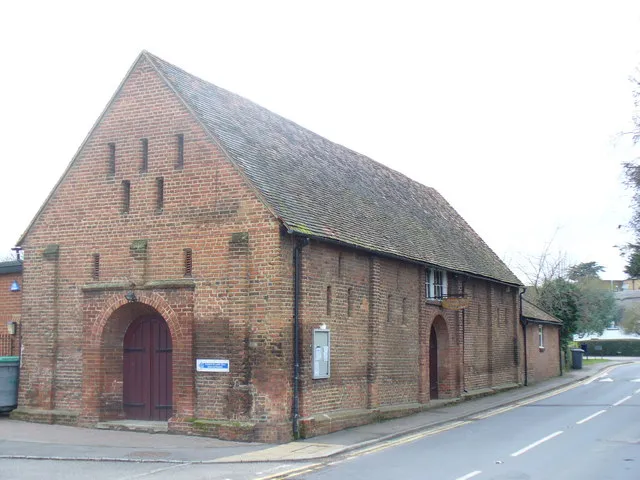
Photo: Colin Smith, CC BY-SA 2.0, via Wikimedia Commons
On a wet Tuesday evening in November, the church hall on the edge of town is glowing like a small lighthouse. Inside, eight women and two men are gathered around a circle of tables, needles clicking, a kettle rumbling and a tin of biscuits doing the rounds. This is the weekly craft club — part knitting circle, part social club, part unofficial neighbourhood support network.
It is 2026, and the group is busier than ever. Members range from a retired school secretary in her seventies to a thirty-something newcomer who moved to the area for work and knew nobody. They come with half-finished scarves, crochet blankets, patchwork squares and, in one case, a slightly ambitious attempt at a Christmas stocking. But ask why they keep coming back and the answers have little to do with wool.
More Than a Hobby
The club began before the pandemic as a small gathering in a front room. It moved to the hall when the circle outgrew the sofa. There is no formal membership, no waiting list and no test of skill. A £3 weekly contribution covers the room, the tea and the biscuits, and anyone who cannot manage that is quietly waved through.
Maureen, 74, joined after her husband died. She says she came for the knitting and stayed because someone noticed when she was not there. Priya, 38, an NHS administrator, joined when she moved to the area and did not know a soul. Tom, 29, a software developer, wanted to learn to knit and found himself drafted into fixing everyone's phone settings. Elaine, 62, brings the tea, remembers birthdays and has a sixth sense for when someone needs a chat before the needles come out.
'It is the only place I can be rubbish at something and still feel welcome,' says one member, unpicking a row for the third time. That is the spirit of it. Nobody is performing. Nobody is selling anything. The pace is slow enough for conversation.
The Quiet Logistics of Looking Out for Each Other
The practical support happens almost by accident. When one member had a knee operation, the club organised lifts to physiotherapy and a rota of soups. When another was struggling with an online form, two members sat with her and a tablet until it was done. When a member's boiler broke last January, someone's neighbour had a spare heater in the shed.
None of this is written down. There is no official helpline, no case file, no clipboard. It is just what happens when people see each other every week and notice the small changes. The member who goes quiet. The one who arrives without her usual bag. The one who says she is fine in a way that suggests she is not.
That kind of low-level watching out is easy to overlook, but it is often the first rung of support. It is not a replacement for professional care, and the club is clear about that. But it can be the thing that gets someone through a difficult week, or the nudge that helps them ask for more help elsewhere.
Why Small Groups Matter in 2026
Loneliness does not always look dramatic. It can look like a full diary that is mostly work, or a street where everyone waves but nobody stops. In 2026, with more of us working from home, moving for jobs and living in smaller households, the old informal networks do not always form by themselves.
That is where groups like this come in. They are cheap to run, open to all ages and don't require a big commitment. You can turn up with nothing but curiosity. You can leave early if you need to. You can sit and listen. In a world of group chats and endless notifications, there is something grounding about a room where the main sound is a kettle and the main currency is patience.
They also keep local spaces alive. The hall, the library, the community centre and the independent café all need regular bookings and regular faces. A weekly craft club is not just a hobby group; it is a small act of faith in the place where you live.
How to Join (Or Start) Your Own
If you fancy joining one, start with the obvious places. Check the library noticeboard, the church hall, the community centre, the leisure centre and the independent café window. Look in local Facebook groups, Nextdoor and the town council website. Ask at the Post Office. Some groups are called craft clubs, some are knitting circles, some are stitch and natter sessions. They are all worth a try.
If there isn't one nearby, starting your own is simpler than it sounds. Find a cheap or free room with good light and accessible parking or a bus stop nearby. Pick a regular time — Tuesday evenings work well for this group — and keep the first session small and simple. Bring spare needles, some cheap yarn and a flask. Set a small contribution to cover costs. Check what insurance the venue has, and think about first aid and safeguarding if children might attend.
Most importantly, do not wait until you are an expert. The whole point is that everyone is learning something. The person who has never held a crochet hook is just as welcome as the one who can turn a heel without looking.
A Place at the Table
Back in the hall, the biscuit tin is empty and someone is winding a ball of wool while telling a story about a bus journey that went wrong. There is laughter, a bit of gentle teasing and a plan to meet for a Christmas lunch. Nobody is solving all the problems of the world. They are just making a small, warm space where people can be a bit less alone.
In 2026, that feels like something worth making time for. If you have been thinking about joining a local group, consider this your nudge. Take a project, or take nothing at all. The kettle will be on.