Eight O'Clock Sharp: The Church Hall Where Fifty Pence Buys You a Whole Morning
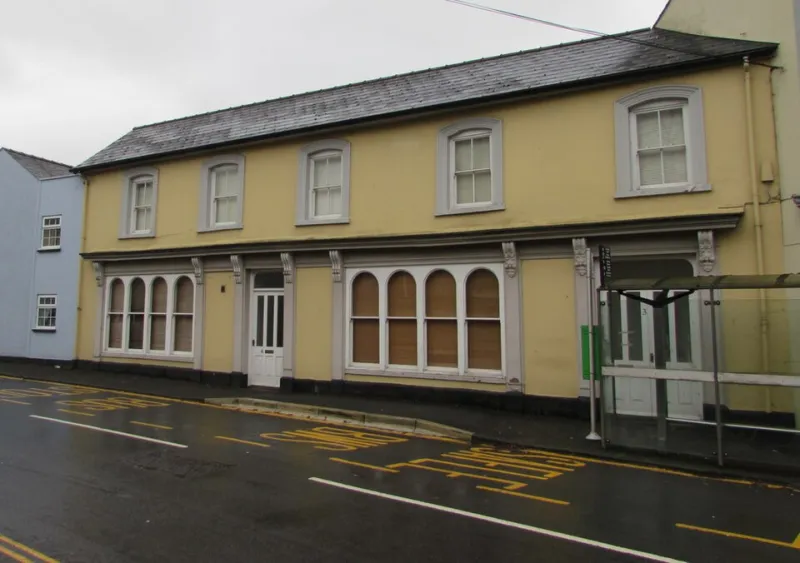
First Saturday of the month, and by ten to eight there are already eleven people outside the church hall, in coats, in the dark, in that particular British silence that means everybody is pretending not to be competitive.
The doors open at nine. The queue is not organised by anyone. It simply exists, in order, and woe betide the newcomer who tries to join it in the middle.
'We had a lady arrive at twenty past seven in September,' says Margaret, who has run the sorting rota for nineteen years. 'She brought a stool and a flask. She was very good company, so we let her in first.'
Thursday nights, in the back room
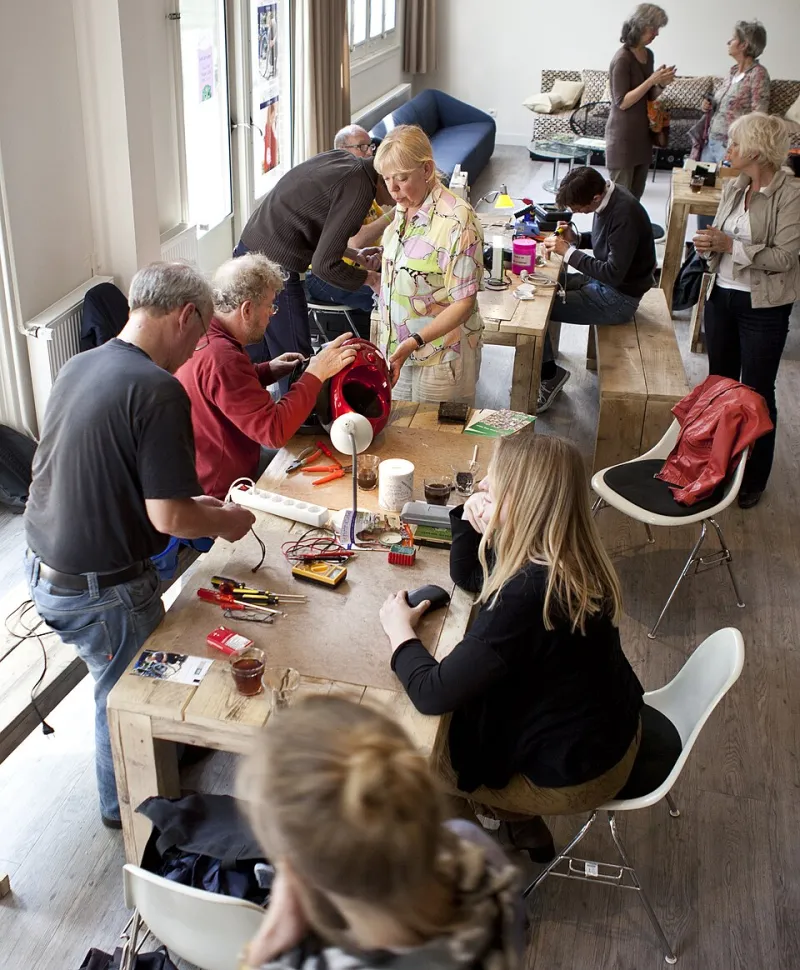
What the queue doesn't see is Thursday. From 6pm, half a dozen volunteers work through whatever has been left in the porch of the hall that month: bin bags, carrier bags, the occasional box that has been taped shut by somebody who has clearly never wanted to see its contents again.
Everything is sorted into piles. Clothing by size and season, with anything that fails the sniff test quietly bagged for the textile bank. Books by category, board games checked for missing pieces, toys wiped over. Then the china - and the china is where the expertise lives.
'You get a feel for it,' says Margaret. 'A cup that's been loved and a cup that's been kept for best look different. Doesn't mean one's worth more than the other. Just means they want to go to different homes.'
The tables, explained
By 8.30 on Saturday the hall has been transformed. Four trestle tables run the length of the room, and the pricing is a small work of folk architecture.
- The 20p table. Buttons, single mugs, a tangle of necklaces, novelty egg cups. Also, occasionally, something genuinely good that got missed, which is exactly why people start here.
- The 50p table. Paperbacks, jigsaws, scarves, most of the crockery. Where most people end up spending four pounds over the course of the morning without noticing.
- The £1 table. The jumpers with labels still in, the decent handbags, the boxed sets.
- 'The good stuff.' One small table near the till, looked after by a volunteer who will tell you frankly whether something is hand-painted or factory-produced. Nobody argues with her.
The money goes to the church roof fund, which has been going since roughly the Norman conquest, plus £200 a quarter to the village defibrillator fund.
The unwritten rules
Nobody printed these. Everybody knows them.
- No reserving. If you're holding it, it's yours - for about thirty seconds while you decide.
- No haggling before half past ten. After that, offers are considered, on the volunteer's terms, which are usually 'no'.
- The rummage box is a rummage box. You dig. You don't stand there sorting it out into categories.
- If you bring a donation, you carry it to the back room. Plonking it at the door and walking off is considered, at best, cheeky.
- What happens at the 50p table stays at the 50p table. Mostly.
What it's actually for
Walk in at five to nine and you'll witness the stampede. Walk in at ten and you'll witness something else entirely: the forty-minute conversation about a neighbour's conservatory, conducted over a cardboard box of knitting patterns.
The regulars come weekly for the bargains, but most of them would admit (some reluctantly) that they stay for the company. There is a man who has bought a paperback here every month since 2011 and has, by his own estimate, read eleven of them. There is a retired teacher who buys jigsaws and then gives them back once completed, forming a sort of informal lending library. There is a teenager who comes with her nan and has become, over the last two years, the most efficient toy sorter the hall has ever employed.
And there is the china. Someone once carried off a patterned jug for 50p, brought it back the following month to show the volunteers, and politely declined the suggestion that it might be worth a bit. 'It's got a chip,' she said. 'I'll use it for gravy.'
Reuse, at the going rate
There is a serious point under all the chat. In a year, this one hall keeps several tonnes of clothing, crockery and board games out of the bin. Every item sold is an item not bought new, and every month the queue gets a little longer.
But that isn't why people queue in the dark at ten to eight. They queue because it costs 50p to get in, £2 to leave with a bag of things you didn't know you wanted, and the morning comes with a free conversation you might not get anywhere else.
Doors, as ever, at nine. Bring a stool.